
Expert Physiotherapy Services in Vaughan
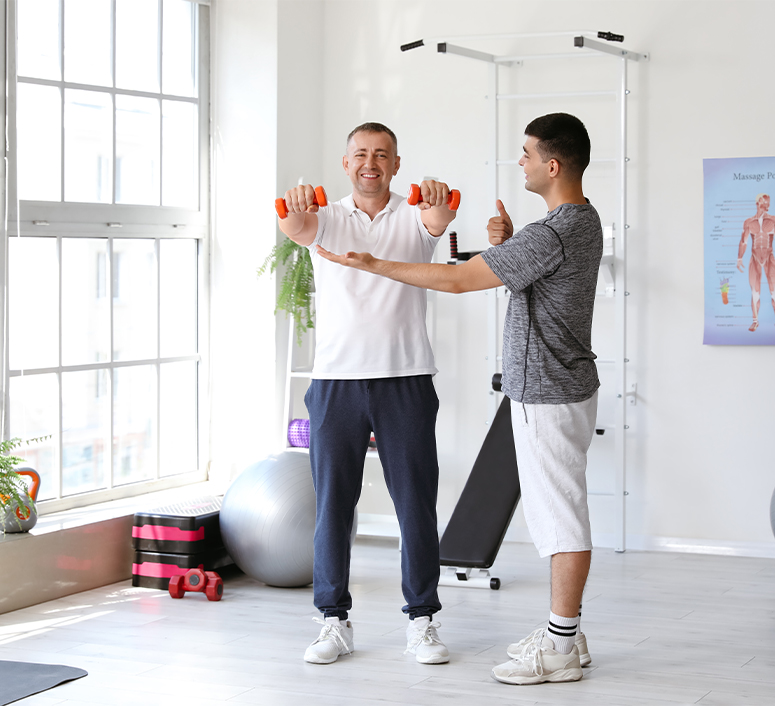
1. What Physiotherapy Is
Physiotherapy is a clinical rehabilitation service focused on restoring movement, rebuilding strength, and improving functional performance after injury, surgery, or chronic strain.
It is not simply “exercise therapy” and it is not passive treatment alone. True physiotherapy combines clinical assessment, hands-on techniques, progressive strengthening, and movement retraining to correct the underlying mechanical causes of pain.
At HealthBridge Physio in Vaughan, physiotherapy is centered around functional recovery. That means we focus on how your body performs in real life:
- How you sit at work
- How you lift your child
- How you train at the gym
- How you move through daily routines
The goal is not temporary relief. The goal is restoring confident, efficient movement that holds up long after treatment ends.
Physiotherapy is particularly appropriate for:
- Acute injuries
- Chronic pain conditions
- Post-surgical rehabilitation
- Athletic recovery
- Degenerative joint conditions
- Long-standing posture-related strain
It is best suited for individuals who want structured recovery and measurable long-term improvement.
2. How Physiotherapy Works
Physiotherapy begins with a detailed clinical assessment.
We evaluate:
- Joint mobility
- Muscle strength and imbalances
- Movement patterns
- Postural alignment
- Nerve involvement
- Functional limitations
- Pain triggers and aggravating activities
From there, a personalized treatment plan is built around three core pillars:
Hands-On Therapy
Manual therapy techniques are used to restore joint motion and reduce soft tissue restriction.
This may include:
- Joint mobilizations
- Soft tissue release
- Myofascial therapy
- Trigger point release
- Active release techniques
- Targeted stretching
Hands-on treatment reduces pain, improves circulation, and prepares tissues for strengthening work.
Targeted Strengthening and Movement Retraining
Once mobility improves, strengthening begins.
Weak or inhibited muscles are retrained. Overactive muscles are corrected. Movement patterns are refined.
Exercises are not generic. They are chosen specifically to correct:
- Knee instability
- Shoulder weakness
- Core dysfunction
- Pelvic instability
- Postural imbalance
- Hip mechanics
- Scapular control
Progression is structured. As you improve, intensity increases.
This is what prevents recurrence.
Therapeutic Modalities When Appropriate
Depending on your condition, physiotherapy may incorporate:
- Electrotherapy to reduce inflammation and regulate nerve response
- Shockwave therapy for chronic tendon or fascia conditions
- Functional taping or bracing support
These modalities are supportive tools, not replacements for active rehabilitation.
The overall process is progressive and adaptive. Your plan evolves as your body improves.
3. Conditions Treated by Physiotherapy
Physiotherapy addresses a wide range of musculoskeletal and neurological conditions.
Sprains and Strains
- Ankle sprains
- Knee ligament strains
- Shoulder instability
- Muscle tears
Rehabilitation focuses on stability, strength restoration, and reinjury prevention.
Sports Injuries
- Overuse injuries
- Ligament damage
- Muscle pulls
- Impact injuries
Treatment includes return-to-sport planning and movement correction.
Back and Neck Pain
- Mechanical low back pain
- Cervical strain
- Postural-related discomfort
- Repetitive strain injuries
Treatment focuses on spinal mechanics, core strength, and posture retraining.
Herniated or Bulging Discs
- Nerve compression
- Radiating pain
- Movement intolerance
Physiotherapy reduces nerve irritation and improves spinal control.
Whiplash (Motor Vehicle Accidents)
- Cervical stiffness
- Headaches
- Shoulder tension
- Nerve symptoms
Treatment restores mobility and prevents chronic pain development.
Tendonitis
- Tennis elbow
- Golfer’s elbow
- Achilles tendonitis
- Patellar tendonitis
Rehabilitation strengthens affected tissues and improves load tolerance.
Rotator Cuff Injuries
- Shoulder impingement
- Weakness overhead
- Pain with lifting
Treatment restores scapular control and shoulder stability.
Knee Injuries (ACL/MCL Recovery)
- Post-surgical rehab
- Ligament instability
- Meniscus irritation
Structured strengthening supports safe return to activity.
Plantar Fasciitis
- Heel pain
- Morning stiffness
- Walking discomfort
Treatment improves foot mechanics and tissue resilience.
Sciatica
- Radiating leg pain
- Nerve compression
- Lumbar dysfunction
Rehabilitation reduces nerve pressure and restores movement control.
Post-Surgical Rehabilitation
- Joint replacements
- Ligament reconstruction
- Orthopedic procedures
Physiotherapy rebuilds strength safely and progressively.
Frozen Shoulder
- Severe mobility restriction
- Joint stiffness
- Pain with movement
Treatment improves joint capsule mobility and functional range.
Arthritis
- Joint stiffness
- Reduced mobility
- Activity-related discomfort
Exercise and mobility work protect joints while improving function.
Poor Posture and Muscle Imbalance
- Forward head posture
- Rounded shoulders
- Anterior pelvic tilt
- Workplace strain
Treatment retrains alignment and muscle coordination.
Chronic Pain Conditions
- Long-standing musculoskeletal pain
- Recurrent flare-ups
- Movement fear
Physiotherapy focuses on nervous system regulation, graded exposure, and strength rebuilding.
Best For:
Recovery-driven individuals who want structured rehabilitation, measurable strength gains, and long-term improvement rather than temporary symptom relief.